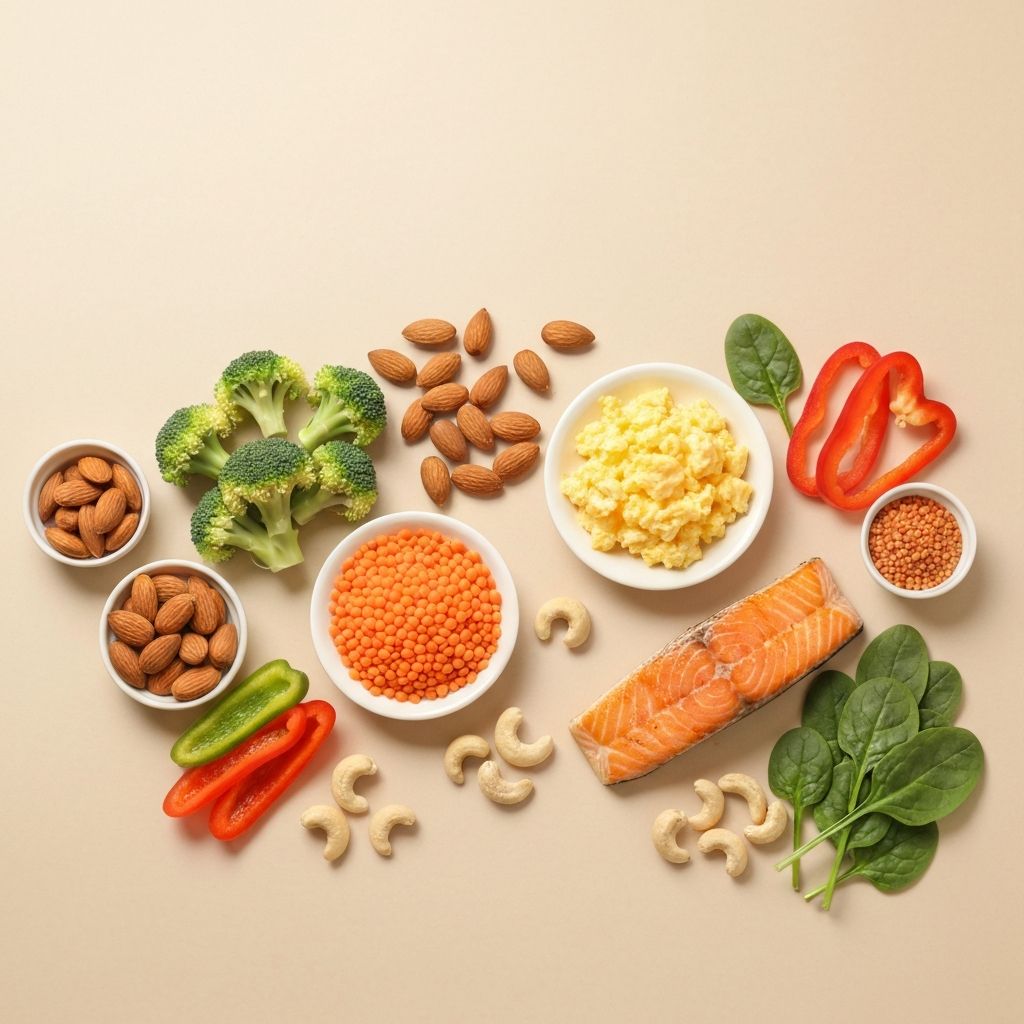
Diet Composition and Energy Flow
How nutrient intake influences energy regulation and metabolic responses
Introduction to Macronutrient Effects
The composition of dietary intake influences how the body processes, partitions, and utilizes energy. Protein, carbohydrates, and fats each affect the body's physiological responses differently. Understanding these distinct effects provides context for observing how dietary patterns relate to energy balance and health markers.
Protein and Thermic Effects
Protein demonstrates the highest thermic effect of food, requiring approximately 20-30% of consumed protein energy for digestion, absorption, and processing. This means that 100 calories of protein requires 20-30 calories to process, leaving 70-80 calories available for storage or energy use. This property makes protein metabolically distinct from carbohydrates and fats.
Beyond thermic effects, protein influences satiety signaling. Protein-containing meals tend to produce stronger satiety responses compared to meals with equivalent energy from carbohydrates or fats. This satiating effect reflects protein's influence on multiple hunger-regulating hormones including peptide YY and glucagon-like peptide-1.
Carbohydrate Metabolism and Glucose Regulation
Carbohydrate metabolism directly influences glucose and insulin responses. Simple carbohydrates produce rapid glucose spikes and strong insulin responses. Complex carbohydrates and carbohydrates combined with fiber produce more gradual glucose and insulin responses. Individual glucose responses to identical carbohydrates vary substantially based on gut microbiota composition, meal composition, and individual metabolic characteristics.
Carbohydrate partitioning involves storage as glycogen in muscle and liver, with excess converted to fat through lipogenesis. The capacity for glycogen storage is finite (approximately 300-500g total), so sustained carbohydrate intake above glycogen capacity results in fat synthesis. Carbohydrate restriction depletes glycogen stores and may shift fuel utilization patterns toward fat oxidation.
Dietary Fat and Energy Density
Fat provides 9 calories per gram compared to 4 calories per gram for protein and carbohydrates, making fat energy-dense. Fat demonstrates the lowest thermic effect at approximately 0-3% of consumed calories. These properties mean that dietary fat contributes substantially to total energy intake and requires minimal energy for processing.
However, fat composition matters. Different fatty acids produce varying metabolic and satiety effects. Saturated, monounsaturated, and polyunsaturated fats influence inflammation, hormone production, and cellular signaling differently. The source of dietary fat—nuts, seeds, fish, oils—influences overall nutritional quality and physiological effects beyond simple caloric contribution.
Satiety and Hunger Regulation
Different foods and macronutrient compositions produce varying satiety responses. Protein and fiber typically produce stronger satiety signals compared to simple carbohydrates. Food volume, texture, and processing level all influence how satiating foods feel despite equivalent energy content. Individual variation in satiety responses is substantial, reflecting different genetic predispositions and learned eating patterns.
Satiety influences food intake quantity through conscious and unconscious mechanisms. Foods that produce strong satiety signals typically result in lower total energy consumption. This relationship partly explains why different dietary approaches work for different individuals—those whose satiety patterns align with the approach's characteristics find adherence easier.
Nutrient Partitioning Pathways
Energy partitioning describes how the body allocates consumed nutrients among tissue types. The partitioning of dietary energy toward muscle, fat, bone, or organ tissue depends on hormonal status, physical activity patterns, age, and nutritional state. Resistance training shifts partitioning toward muscle. Energy surplus without activity promotes fat storage. Energy deficit mobilizes stored energy while attempting to preserve muscle.
The efficiency of energy partitioning varies among individuals and changes with age. Young individuals with active lifestyles show more favorable partitioning toward muscle tissue compared to sedentary individuals. These differences reflect biological processes rather than differences in dietary discipline.
Micronutrient Considerations
While energy balance typically focuses on macronutrients, micronutrient adequacy influences metabolic function. Deficiencies in vitamins and minerals impair energy production, hormone synthesis, and metabolic regulation. Whole foods typically contain beneficial micronutrient profiles alongside macronutrients. Highly processed diets may provide macronutrient energy with insufficient micronutrient density, creating metabolic inefficiency.
Individual Metabolic Variation
Genetic factors substantially influence how individuals respond to different dietary compositions. Some individuals demonstrate metabolic flexibility with efficient adaptation to varying macronutrient ratios. Others show more metabolic rigidity requiring specific macronutrient compositions for optimal function. This variation is not failure but rather normal human biological diversity.
Key Takeaways
- Macronutrients influence energy metabolism through distinct mechanisms including thermic effects, satiety signaling, and metabolic partitioning
- Protein demonstrates highest thermic effect and strong satiety effects; fat demonstrates energy density; carbohydrates influence glucose and insulin responses
- Food composition beyond macronutrient ratios influences satiety and metabolic responses
- Individual variation in dietary response reflects normal biological diversity
- Understanding these mechanisms provides context without prescribing individual dietary approaches
Educational Context
This article provides general information about nutrient metabolism and energy flow. It does not constitute personalized nutrition advice. For individualized dietary guidance specific to your health circumstances, consult with a registered dietitian or qualified healthcare professional.